Penny vs. Cent: Understanding the Official Terminology

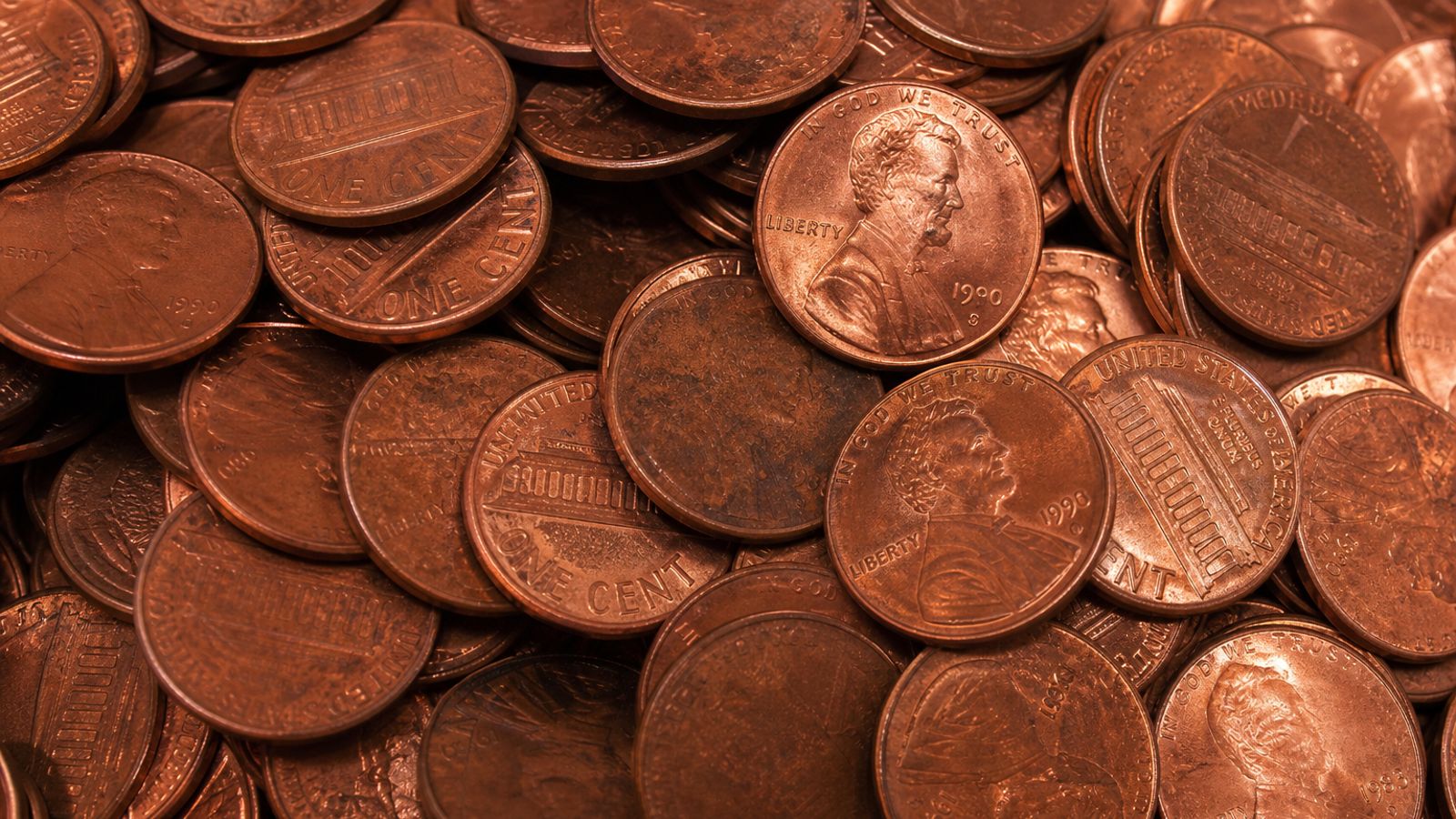
In the pocket of nearly every American, rattling in cash registers, and filling countertop jars across the nation, lies the humble one-cent coin. It is arguably the most familiar piece of currency in the United States. Yet, for all its familiarity, it is the subject of a persistent and surprisingly passionate debate: is it a "penny" or is it a "cent"?
While the two names are used interchangeably in everyday life, only one is technically correct in the eyes of the U.S. Mint and the numismatic community. Understanding the difference and the rich history behind it is a foundational piece of knowledge that separates the casual observer from the informed collector.
This guide from PeerMetals will settle the debate, explore the historical roots of the terminology, and explain why using the right term matters when you invest and trade.
The Official Term -"Cent"
Let's be clear from the start: the official name for the United States' one-cent coin is the cent.
This designation was a deliberate and symbolic choice made by the nation's founders. When Congress passed the Coinage Act of 1792, it established the United States Mint and laid the groundwork for a new, independent monetary system. To break away from the British system of pounds, shillings, and pence, they embraced a decimal system based on the dollar.
The name "cent" was chosen for its Latin root, "centum," meaning "one hundred." This perfectly describes the coin's role as 1/100th of a dollar. The U.S. Mint has exclusively used the inscription "ONE CENT" on the reverse of the coin for its entire history. You will never find the word "penny" on an official U.S. Mint product.
PeerMetals Insight:
"Precision is the cornerstone of numismatics. Just as a coin's grade or mint mark must be precise, so should its name. On a professional platform like PeerMetals, using the official term 'cent' in listings and communications demonstrates a level of knowledge and seriousness. It signals to other members of the community that you understand and respect the official standards of the hobby."
The Enduring Slang -"Penny"
If the coin is officially a cent, why does virtually everyone in America call it a penny? The answer lies in the power of habit and history.
Before the American Revolution, the colonies were part of the British Empire, and their economy was dominated by British currency. The most common, everyday coin was the British penny (the plural of which is "pence"). It was the coin of the people, used for daily transactions.
When the new U.S. cent was introduced after the revolution, it filled the same role in society as the old British penny. It was a small, copper-colored coin used for minor purchases. Colonists, out of sheer, ingrained habit, simply continued to call their new one-cent coin by the familiar name: a "penny."
This colloquialism was passed down through generations and has become so deeply embedded in American language and culture that it has completely overshadowed the official term in everyday use.
PeerMetals Insight:
"The endurance of the word 'penny' speaks to the rich cultural tapestry behind coin collecting. A coin is more than just a piece of metal; it's a piece of popular history. The name 'penny' carries with it a sense of nostalgia and familiarity. While 'cent' is technically correct, acknowledging the cultural power of the 'penny' shows an appreciation for the stories that make these objects so compelling."
Does the Difference Really Matter?
In a casual conversation at a coffee shop, no. But in the world of investing and collecting, yes, it absolutely can. Using the correct terminology signals expertise and ensures clear communication.
When to Use "Cent":
-
When Listing or Searching: On a marketplace like PeerMetals, searching for a "1909 VDB Lincoln Cent" will yield more precise results than searching for a "penny."
-
When communicating with Dealers, using "cent" shows that you are a knowledgeable collector, which can lead to being taken more seriously.
-
When submitting for Grading, Professional grading services like PCGS and NGC will always label the coin as a "cent" on the official holder.
-
In Any Formal Numismatic Writing or Discussion, It is the standard of the hobby.
When "Penny" is Acceptable:
-
In casual conversation with non-collectors.
-
In marketing or content aimed at a broad, general audience.
-
When referring to the cultural icon (e.g., "a lucky penny").
PeerMetals Insight:
"Knowledge is leverage in any market. Knowing when to use 'cent' versus 'penny' is a small but significant detail that demonstrates your expertise. It helps you search more effectively on the PeerMetals platform, communicate with other members like a professional, and ultimately, make more informed decisions. It's about speaking the language of the community you want to be a part of."
PeerMetals Final Thoughts: A Tale of Two Names
The "penny vs. cent" debate is a perfect microcosm of the coin collecting world itself—a place where technical precision meets rich cultural history. The U.S. cent is a coin born of a revolutionary desire for a new, logical system, yet it could never shake the familiar, colloquial name of its British predecessor.
A knowledgeable collector understands and respects both sides of this story. They appreciate the technical accuracy of "cent" while acknowledging the historical and cultural weight of "penny." This nuanced understanding is a hallmark of a true numismatist.
At PeerMetals, we foster a community for these knowledgeable enthusiasts. Our platform is a space where you can find a "Flying Eagle Cent" listed with professional precision, while sharing in the collective, nostalgic hunt for that one "lucky penny" to complete your collection.
Whether you call them cents or pennies, find the iconic Lincoln and Indian Head coins your collection deserves. Explore the PeerMetals marketplace and connect with a community of knowledgeable collectors today!